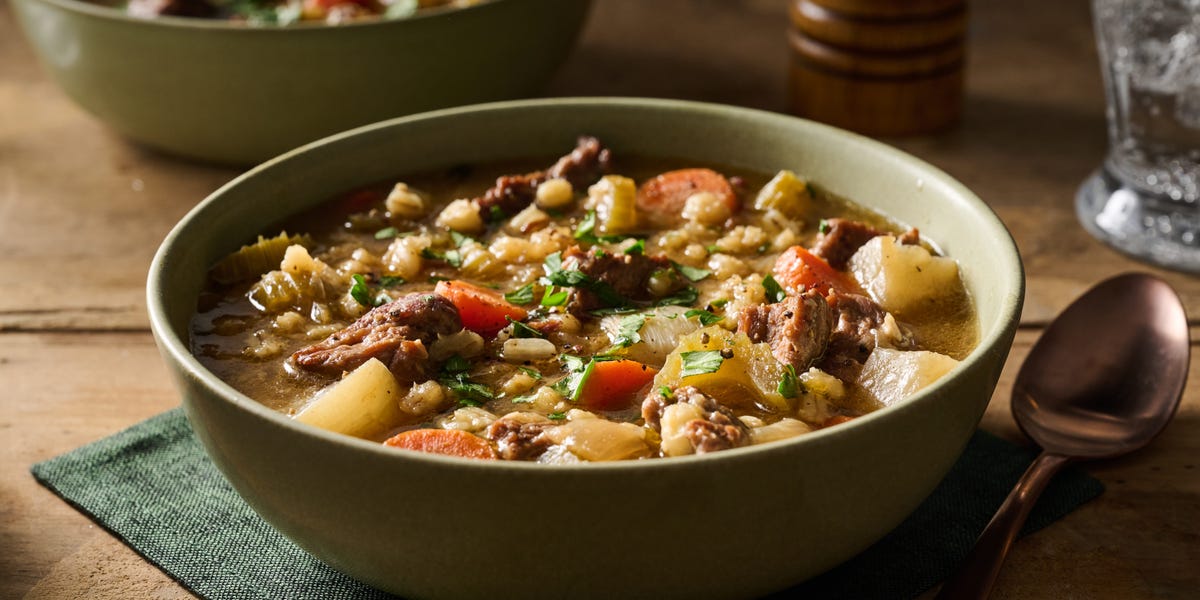
From Bland to Bistro: The Chef's Way to Beef Barley Soup
Picture this: a chilly evening, the promise of a warm, hearty bowl of beef barley soup, and then... a spoonful of something utterly uninspired. Grey, lifeless beef, a watery broth, and barley that’s surrendered entirely, turning into a sad, mushy texture. If you've ever felt that disappointment, you're not alone. Many home cooks approach this classic, comforting dish with good intentions but miss the fundamental techniques that elevate it from a simple stew to a restaurant-quality experience.
The secret to transforming your homemade soup from merely acceptable to absolutely unforgettable lies in understanding the culinary philosophy of building flavor in layers. It’s about more than just combining ingredients; it’s about treating each component with respect, coaxing out its best qualities, and orchestrating them into a harmonious whole. This guide will walk you through the chef’s approach, ensuring every spoonful of your beef barley soup recipe is rich, robust, and deeply satisfying.
Beyond the Basics: Why Most Beef Barley Soups Fall Short
The common pitfalls in crafting a truly exceptional beef barley soup often stem from a "dump and simmer" mentality. While convenient, this method strips the dish of its potential, leading to a host of issues:
- Lack of Depth: Skipping proper searing means you lose out on the foundational Maillard reaction, the chemical process that creates rich, complex savory flavors and a beautiful crust on your beef. Without it, your meat will taste bland and your broth will lack character.
- Weak Broth: Simply adding wine without reducing it results in a sharp, alcoholic taste rather than the concentrated, aromatic body a chef aims for. The broth ends up thin and uninspired.
- Texture Troubles: Adding barley too early or using the wrong type can lead to an overcooked, gummy, or mushy texture that detracts from the hearty chewiness this soup should offer. It becomes a bowl of confusion rather than comforting texture.
These missteps are what separate a good beef barley soup from one that truly sings. The chef's way is about intentionality, ensuring each step contributes to the ultimate flavor profile and luxurious texture.
The Pillars of Bistro-Quality Beef Barley Soup
Achieving that coveted bistro-level flavor profile hinges on mastering a few key techniques and understanding why they matter:
- Aggressive Searing for Maximum Flavor: This is non-negotiable. Proper searing creates a deep, golden-brown crust on your beef, locking in juices and building an incredible foundation of flavor that permeates the entire soup. Don't just brown; sear until dark and crusty.
- Strategic Deglazing and Wine Reduction: After searing, the browned bits (fond) in the pot are pure gold. Deglazing with a dry red wine and allowing it to reduce by half concentrates its fruit notes, removes harsh alcohol, and transforms it into a rich, aromatic component of your broth. It's not just adding liquid; it's building body and complexity.
- Precision Barley Timing: For that perfect al dente, slightly chewy texture, pearled barley should be added at a calculated point in the cooking process – typically after the beef has had a good head start breaking down. This prevents it from becoming a starchy, oatmeal-like mess.
- The Secret Handshake: Worcestershire & Fresh Thyme: These two ingredients are more than just additions; they're flavor multipliers. Worcestershire sauce provides an umami punch and a subtle, savory sweetness, while fresh thyme delivers an earthy, aromatic depth that dried herbs simply can't match. Together, they create a signature richness that elevates the dish significantly.
Essential Ingredients for an Unforgettable Beef Barley Soup Recipe
The quality and selection of your ingredients are paramount. Here’s a breakdown of what truly matters:
- Beef Chuck (2 lbs / 908g): This is your star. Opt for chuck with good marbling. Its high collagen content is key; as it slowly breaks down, it renders into incredibly fork-tender, melt-in-your-mouth pieces, while also enriching the broth with body. Avoid lean stew meat; it will remain tough and dry.
- Olive Oil (3 tbsp): Your medium for searing. Choose a good quality oil that can withstand higher heat.
- Onion, Celery, Carrots (Mirepoix): The aromatic foundation. Dice them evenly to ensure they cook down at the same rate, gently softening and sweetening the broth.
- Garlic (3 cloves): Minced fine, it adds a pungent warmth. Add it at the end of sautéing your mirepoix to prevent burning.
- Dry Red Wine (¾ cup / 180ml): A Merlot or Cabernet Sauvignon works beautifully. The acidity helps deglaze, and the robust flavor stands up to the beef. Steer clear of anything sweet or cooking wines with added salt.
- Low-Sodium Beef Broth (6 cups / 1.5L): Low-sodium is crucial so you can control the salt level throughout the cooking process. Homemade broth will always yield the best flavor, but a good quality boxed broth is perfectly acceptable.
- Worcestershire Sauce (1 tbsp / 15g): This is your secret weapon for umami depth and a hint of complex sweetness that rounds out the savory notes.
- Fresh Thyme (3 sprigs): The fresh, woodsy aroma is indispensable. Dried thyme lacks the vibrant punch needed here.
- Pearled Barley (1 cup / 200g): This variety offers a delightful nutty flavor and a satisfying, chewy texture when cooked correctly. Do not substitute with quick-cooking barley, which will turn to mush.
- Salt & Pepper: Crucial for seasoning at every stage, not just at the end.
- Italian Parsley (¼ cup, minced): For a final burst of freshness, color, and bright flavor right before serving.
Crafting Culinary Magic: A Step-by-Step Guide to Your Beef Barley Soup Recipe
Follow these steps meticulously, and you’ll achieve a depth of flavor that feels both comforting and sophisticated.
1. Sear the Beef with Intent
Begin with a heavy-bottomed pot, ideally a Dutch oven, over high heat. Add olive oil and let it shimmer. Pat your beef chuck pieces thoroughly dry with paper towels – this is critical for a good sear. Season them generously with salt and freshly ground black pepper. Sear the beef in batches, ensuring you don't crowd the pan. Allow each piece to develop a deep, golden-brown crust, letting the Maillard reaction work its magic for 3-5 minutes per side without touching. Remove the beautifully browned beef and set aside.
2. Build the Aromatic Base
In the same pot, with all those flavorful browned bits (fond) remaining, add your diced onion, celery, and carrots. Sauté for 5-7 minutes, stirring occasionally, allowing them to soften and scrape up some of that delicious fond from the bottom of the pot. Once softened, add the minced garlic and cook for just one minute more until fragrant. Be careful not to burn the garlic.
3. Deglaze and Deepen
Increase the heat to high. Pour in the dry red wine. Use a wooden spoon to vigorously scrape all the caramelized bits from the bottom of the pot. Let the wine simmer and reduce by about half, which should take 3-5 minutes. The sharp alcoholic scent will dissipate, replaced by a rich, concentrated aroma.
4. Simmer to Perfection
Return the seared beef to the pot. Add the beef broth, Worcestershire sauce, and fresh thyme sprigs. Bring the liquid to a rolling boil, then immediately reduce the heat to a low simmer. Partially cover the pot, leaving a slight gap for steam to escape, and let it gently cook for 1.5 to 2 hours. This slow simmer allows the beef to become incredibly tender and the flavors to meld beautifully. Taste and adjust seasoning as needed.
5. Introduce the Barley and Finish
After the beef has had its initial tenderizing simmer, stir in the pearled barley. Continue to simmer, partially covered, for another 45-60 minutes, or until the barley is tender with a pleasant chew. If the soup becomes too thick for your liking as the barley absorbs liquid, add a splash more beef broth. Remove the thyme sprigs before serving. Just before dishing out, stir in the fresh Italian parsley for a vibrant finish.
Expert Tips for Master Beef Barley Soup Success
- Patience is a Virtue: The best beef barley soup isn't rushed. Allow the beef to simmer long enough for it to become fork-tender. The time it takes for flavors to develop is worth every minute.
- Season as You Go: Don't wait until the very end to season. A little salt and pepper at each stage (searing beef, sautéing vegetables, adding broth) builds layers of flavor.
- Embrace Leftovers: This soup truly tastes even better the next day as the flavors deepen and meld. The barley will continue to absorb liquid, so expect it to thicken. When reheating, simply thin it with a little more beef broth or water to achieve your desired consistency. It stores wonderfully in the fridge for up to four days.
- Consider Root Vegetables: While the classic mirepoix is perfect, feel free to add other hearty root vegetables like diced turnips or parsnips alongside the carrots and celery for extra flavor and substance.
No more settling for bland. By embracing these chef-inspired techniques and focusing on building flavor with intention, you'll transform your homemade beef barley soup from an everyday dish into a culinary masterpiece worthy of any bistro menu. This isn't just a recipe; it's a lesson in creating truly memorable, deeply comforting food.
