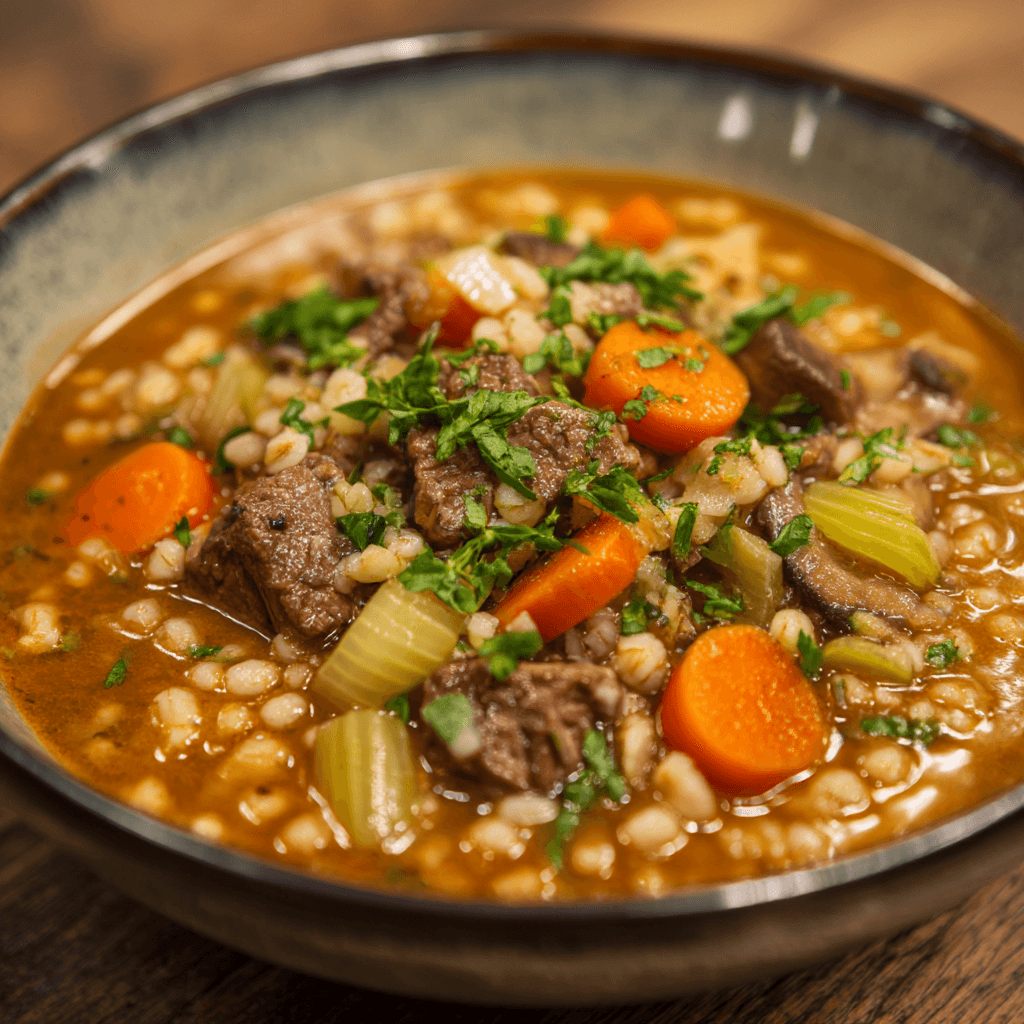
Gordon Ramsay's Secrets for Perfect Beef Barley Soup
There's a reason some dishes become legendary comfort food, and beef barley soup is undoubtedly one of them. Its promise is simple: a hearty, soul-warming bowl filled with tender beef, earthy barley, and rich broth. Yet, many home cooks find themselves disappointed, ending up with bland broth, grey meat, and mushy grains. If you've ever felt your homemade version fell short of bistro-quality, you're not alone. The secret to an extraordinary
beef barley soup recipe lies not in a complicated ingredient list, but in mastering a few fundamental culinary techniques – techniques championed by chefs like Gordon Ramsay.
Chef Ramsay's philosophy is all about building flavor in layers, respecting each ingredient, and executing every step with precision. This isn't about rushing to get food on the table; it's about investing time in foundational steps that transform simple ingredients into a dish of profound depth and satisfaction. Forget the "dump and simmer" approach; we're going to unlock the true potential of this classic.
The Gordon Ramsay Difference: Building Flavor, Not Just Cooking
Most home cooks approach beef barley soup by tossing ingredients into a pot and letting them simmer. While this might produce something edible, it rarely delivers the rich, complex flavors found in a truly great soup. Gordon Ramsay's method, the one we'll explore here, elevates the dish by focusing on strategic flavor development. It's about coaxing the maximum taste out of each component before they even meet in the broth.
Here’s where most recipes go wrong, and how Ramsay's approach flips the script:
- Searing the Beef Properly: The most common mistake is steaming the beef instead of searing it. Grey, anemic meat contributes little to the broth and lacks visual appeal. Ramsay insists on a deep, golden-brown crust. This isn't just for show; it's the Maillard reaction in action, creating hundreds of new flavor compounds that form the bedrock of your soup's taste. No shortcuts here – proper searing is non-negotiable for a truly flavorful beef barley soup.
- Reducing Wine, Not Just Adding It: Many recipes call for adding wine directly to the pot. A chef, however, understands the power of reduction. Pouring in wine to deglaze the pan and then allowing it to reduce by half concentrates its fruitiness, mellows its acidity, and transforms it into a rich, complex flavor enhancer rather than just a liquid component. It becomes part of the body and depth, not just a sharp note.
- Cooking Barley After the Beef Breaks Down: Timing is everything when it comes to texture. Adding barley too early means it will overcook, turning mushy and starchy, clouding your beautiful broth, and ruining the integrity of the soup. Ramsay's technique ensures the beef is fork-tender before the barley even enters the pot, allowing the barley to cook to a perfect, toothsome al dente.
- Strategic Seasoning and Depth: Beyond salt and pepper, certain ingredients act as "secret handshakes" to deepen flavor. Worcestershire sauce, with its complex umami and subtle sweetness, is a prime example. Fresh thyme offers a vibrant, aromatic punch that dried herbs simply can't replicate. These aren't just additions; they're critical flavor contributors.
Skipping these crucial steps results in a pale imitation of what this comfort food truly can be. Embrace these techniques, and you’ll achieve a depth of flavor that will make your
beef barley soup: searing, deglazing & barley timing sing.
Essential Ingredients for an Unforgettable Beef Barley Soup Recipe
Quality ingredients are the starting point for any great dish. Here’s a breakdown of what truly matters for this elevated beef barley soup:
- Beef Chuck (2 lbs / 908g): This is your star. Beef chuck, often labeled as chuck roast, contains high collagen content that breaks down during long, slow simmering, transforming into incredibly tender, fall-apart bites. Avoid lean stew meat, as it will dry out and lack the desired texture.
- Olive Oil (3 tbsp): For searing the beef and sautéing vegetables. A good quality olive oil can impart a subtle, fruity note.
- Mirepoix (1 large Onion, 2 Celery Stalks, 2 Carrots): The classic aromatic base. Cut these vegetables evenly to ensure they cook at the same rate and provide a consistent texture throughout the soup.
- Garlic (3 cloves): Minced finely. Adds aroma and depth without overpowering.
- Dry Red Wine (¾ cup / 180ml): Merlot or Cabernet Sauvignon are excellent choices. Crucially, ensure it's dry; anything sweet will throw off the balance of the soup.
- Low-Sodium Beef Broth (6 cups / 1.5L): Starting with low-sodium broth allows you to control the salt content, seasoning in layers to perfection. Homemade is always best, but a good quality boxed broth is perfectly acceptable.
- Worcestershire Sauce (1 tbsp / 15g): This ingredient is a game-changer, adding layers of umami, savory depth, and a hint of tang that elevates the broth.
- Fresh Thyme (3 sprigs): Fresh herbs infuse a brighter, more potent flavor than their dried counterparts. The woody stems will be removed before serving.
- Pearled Barley (1 cup / 200g): This variety retains a delightful chewiness and nutty flavor. Do not substitute quick-cooking barley, which will turn to mush and release too much starch, muddying your broth.
- Salt & Freshly Ground Black Pepper: Seasoning as you go is key. Taste and adjust throughout the cooking process, not just at the end.
- Italian Parsley (¼ cup, minced): Added at the very end for a burst of fresh flavor and vibrant color, brightening the whole dish.
A Pro Tip for Broth and Barley
One wonderful characteristic of beef barley soup is how well it keeps and often improves with age. However, as it sits, the barley will continue to absorb liquid, making the soup significantly thicker. When reheating leftovers, don't hesitate to splash in a little extra beef broth or water to restore it to your desired consistency. This simple trick ensures every serving, fresh or leftover, is equally satisfying.
Mastering the Method: Step-by-Step for Gordon Ramsay's Beef Barley Soup
Achieving the perfect Gordon Ramsay-style beef barley soup is about embracing each stage with intention. Follow these steps for a truly exceptional result:
- Sear the Beef to Golden Perfection:
- Begin with a heavy-bottomed pot, such as a Dutch oven or an enamel-coated pot, over medium-high heat. Add olive oil.
- Pat your beef chuck pieces *absolutely dry* with paper towels. This is crucial for searing; moisture prevents browning and leads to steaming.
- Season the dried beef generously with salt and freshly ground black pepper.
- Sear the beef in batches. Do not overcrowd the pot, or the temperature will drop, and the beef will steam instead of sear. Allow each piece to develop a deep, golden-brown crust on all sides – resisting the urge to move it too soon. Let the Maillard reaction do its work.
- Once beautifully browned, remove the beef from the pot and set it aside.
- Sauté the Vegetables and Build the Aromatic Base:
- In the same pot, with all the delicious browned bits (fond) still adhering to the bottom, reduce the heat slightly to medium.
- Add your diced onion, celery, and carrots. Sauté for 5-7 minutes, stirring occasionally, allowing them to soften and pick up the beef fond. This infuses them with rich flavor.
- Add the minced garlic during the last minute of sautéing, stirring constantly until fragrant. Be careful not to burn it.
- The Art of Deglazing with Wine:
- Increase the heat back to medium-high. Pour in the dry red wine.
- Immediately use a wooden spoon to vigorously scrape all the caramelized bits (fond) from the bottom of the pot. This fond is pure flavor!
- Allow the wine to simmer and reduce by about half. It should take 3-5 minutes. The sharp alcohol aroma will mellow, replaced by a rich, concentrated, almost jammy fragrance. This step builds incredible depth for your broth.
- Simmering to Fork-Tender Perfection:
- Return the seared beef and any accumulated juices to the pot with the vegetables and reduced wine.
- Pour in the beef broth, add the Worcestershire sauce, and tuck in the fresh thyme sprigs.
- Bring the mixture to a boil, then immediately reduce the heat to a very low simmer. Partially cover the pot, leaving a small gap for steam to escape.
- Simmer for 1.5 to 2 hours, or until the beef is incredibly tender and easily pulls apart with a fork. The longer and slower the simmer, the more gelatinous and flavorful your broth will become.
- Once the beef is tender, carefully remove the thyme sprigs.
- Introduce the Barley for Perfect Texture:
- Now, add the pearled barley to the simmering soup.
- Continue to simmer, partially covered, for another 25-35 minutes, or until the barley is tender but still retains a pleasant chew (al dente). Taste a grain to check for doneness.
- The soup will thicken naturally as the barley cooks. If it becomes too thick for your liking, add a splash more hot beef broth or water.
- The Final Touches:
- Taste the soup and adjust the seasoning with more salt and pepper as needed. Remember, you've seasoned in layers, but a final adjustment is always important.
- Stir in the fresh minced Italian parsley just before serving. This adds a bright, fresh finish.
Serve this rich, hearty beef barley soup piping hot with a crusty piece of bread. It's a meal in itself – satisfying, flavorful, and a testament to the power of thoughtful cooking.
Conclusion
Moving beyond a mere collection of ingredients, Gordon Ramsay's approach to beef barley soup transforms a humble dish into a culinary masterpiece. By focusing on foundational techniques like proper searing, meticulous deglazing, and precise timing for the barley, you elevate every component, resulting in a soup that is rich, deeply flavorful, and incredibly satisfying. This isn't just a
beef barley soup recipe; it's a lesson in how to build flavor like a chef. Embrace these secrets, and you'll find that the journey from bland to bistro-quality comfort food is well within your grasp, leaving you with a hearty bowl that truly warms the soul.